LA Art Week 2026: Art, Innovation, and a City in Full Bloom
Every February, Los Angeles transforms into one of the most dynamic art capitals in the world. What began as a handful of gallery openings and fairs has now grown into LA Art Week, a city-wide celebration of contemporary art that draws collectors, artists, curators, and culture lovers from around the globe. This year, from February 26 to March 1, LA Art Week takes over LA — with a weeklong program of fairs and exhibitions that cement the city’s creative energy on the global calendar.
What Is LA Art Week?
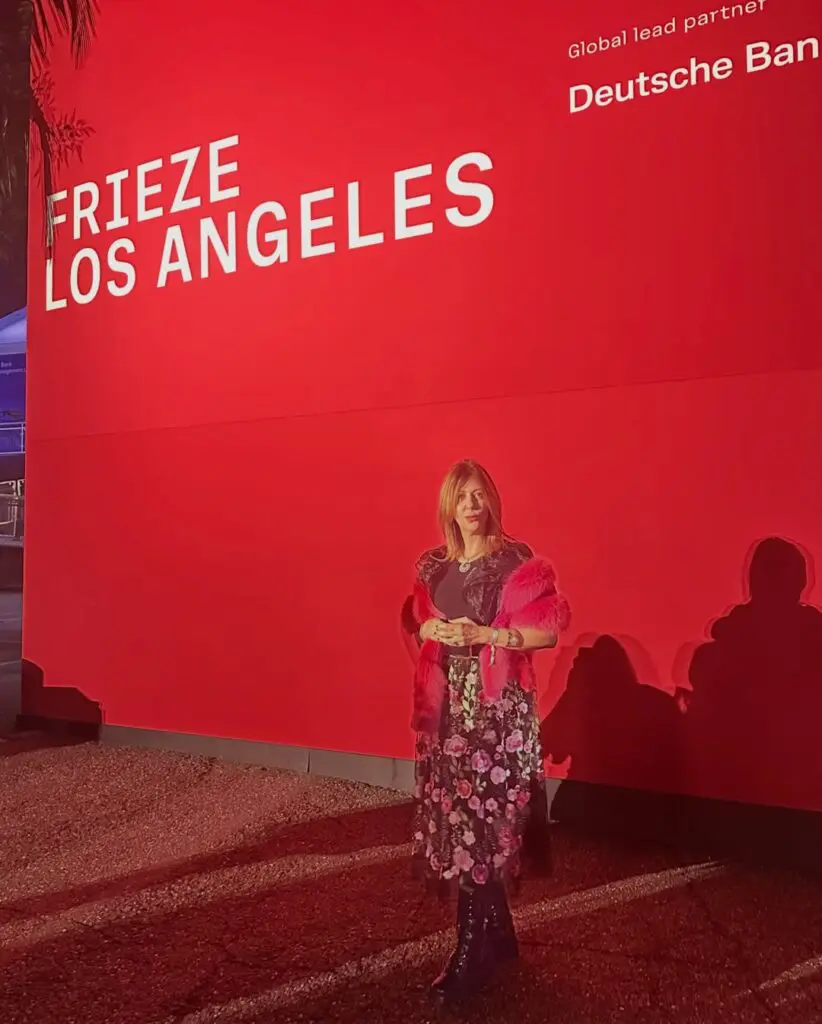
LA Art Week isn’t just one event — it’s a constellation of overlapping art fairs, gallery openings, talks, installations, and pop-ups taking place across Los Angeles each February. At its heart is Frieze Los Angeles — the marquee international contemporary art fair held annually at Santa Monica Airport since its 2019 debut.
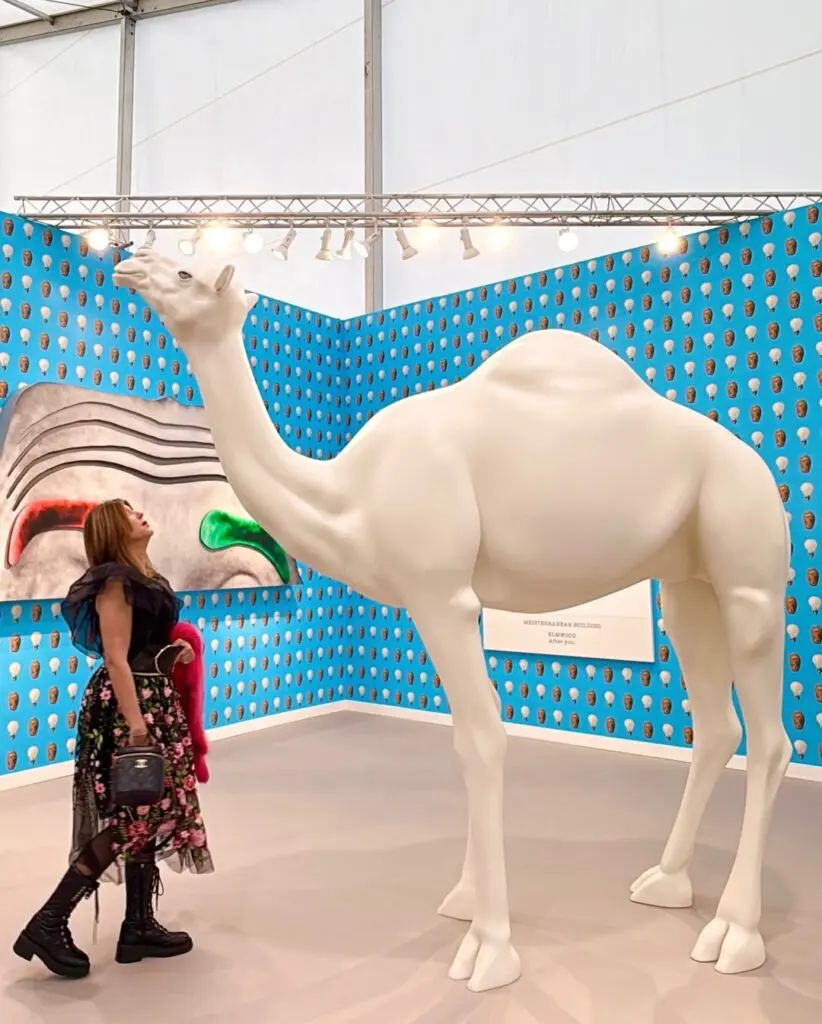
1) Camel Albino) Contemplating Needle (Large), 2013 Fiberglass, aluminum, stainless steel, acrylic, and paint by John Baldessari
Frieze LA acts as the week’s anchor, bringing together nearly 100 galleries from around the world alongside a robust roster of LA-based presenters. From VIP previews to immersive installations and curated artist projects, Frieze sets the stage for the city’s art market and dialogue each year.
But the week extends far beyond one fair. Across the city, galleries big and small — from established institutions to independent spaces — open ambitious exhibitions, while alternative fairs and artist-run events give voice to emerging and diverse voices.
Frieze Week in Los Angeles, Between Heat and Heart
Frieze Los Angeles 2026 arrived with the familiar white-tent glamour at Santa Monica Airport, but it landed in a city still living close to fire. In the background of opening-week chatter, Los Angeles has also been absorbing the reality of arson and its consequences, including the continuing federal case tied to the deadly Palisades fire and the reporting around a blaze prosecutors say was “maliciously set.” That tension shaped the week. Not as a downbeat footnote, but as context. You could feel how urgently people wanted to be together, to look closely, and to keep building culture anyway. The Art Newspaper quoted Frieze’s director Christine Messineo on that throughline of community and the city’s willingness to gather again.
If the question is whether Los Angeles is becoming more of a center for art, Frieze week makes the case in plain sight. The fair brought more than 100 galleries from dozens of countries to a city that already runs on studio labor, film production infrastructure, and an increasingly international collector base. And crucially, it isn’t only about the fair. It is the ecosystem around it: museum programming, satellite fairs, gallery openings, dinners, and studio visits that turn a few days into a full circuit.
A Brief History of LA Art Week
Though Los Angeles has hosted art fairs like the LA Art Show since the 1990s, the modern concept of LA Art Week largely developed around Frieze’s entry to the city in 2019, which quickly positioned LA alongside art capitals like London and New York in the annual global art calendar.
Frieze LA’s success attracted multiple fairs — like Felix Art Fair, The Other Art Fair, Post-Fair, Butter Fine Art Fair, and others — creating a sprawling week of art that blends high-end commercial showcases with local energy and experimentation.
Over the years, what was once a handful of opening nights and gallery tours has blossomed into an annual event where museums, design spaces, collector gatherings, live performances, and even immersive pop-ups have a place alongside booth presentations and curated installations.
Highlighting LA Art Week 2026
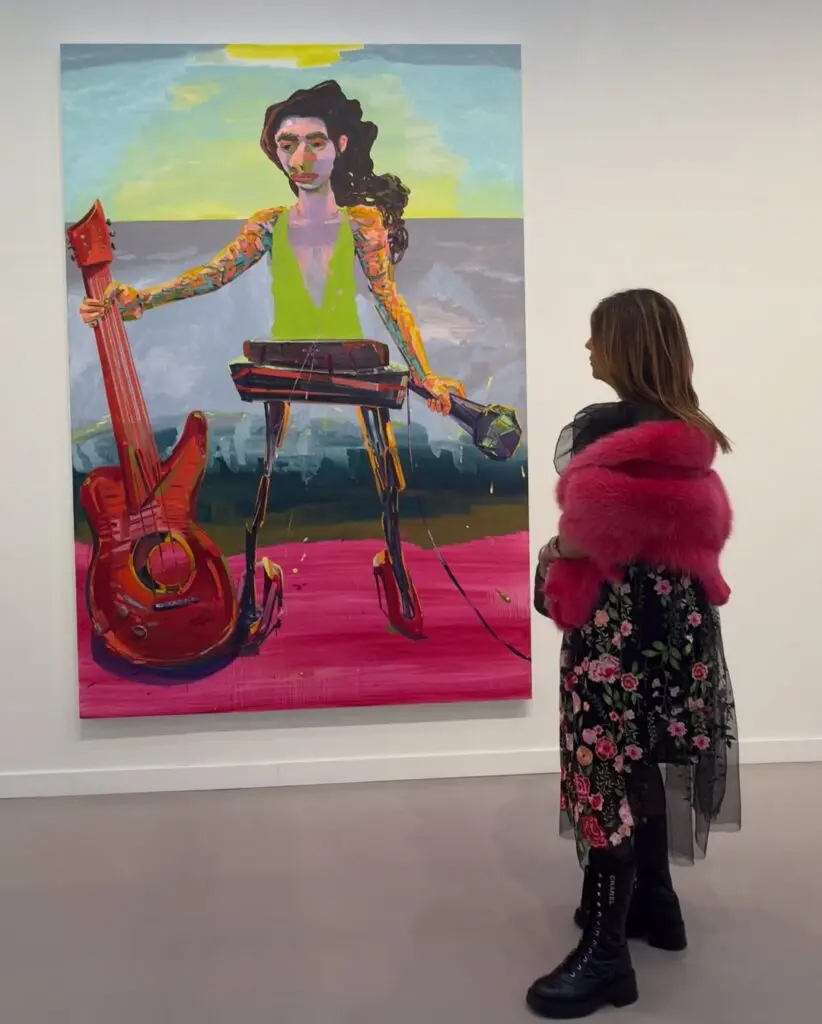
5) 50 ft Queenie Oil on canvas by Dana Schutz
In 2026, LA Art Week continued that tradition with a lineup that reflected both global influence and local voice:
Frieze Los Angeles (Feb 26–Mar 1) took center stage with international galleries and curated projects that merged big-name presentations with regional creativity.
Independent fairs and exhibitions — spanning Echo Park to Hollywood — offered fresh perspectives and intimate settings beyond the major tent.
Complementary art events, museum shows, and creative activations ensured that every neighborhood felt part of the celebration.
LA Art Week 2026 wasn’t just about selling art — it was about connecting communities, sparking conversations, and expanding how Angelenos and visitors experience visual culture.
Who Underwrote the Moment: Deutsche Bank and Frieze
Deutsche Bank is Frieze’s global lead partner across the fairs, including Frieze Los Angeles, where the partnership shows up prominently in the fair’s programming and public-facing initiatives.
A quick note on wording: people often say “financed,” but in practice this is best described as major sponsorship and partnership rather than a single entity funding the entire event. The visibility is real, and it matters. In a market that has been uneven, underwriting affects what fairs can produce, what projects get commissioned, and how much risk the platform can absorb.
The Big Names Came to Sell, and They Did
Early reporting this year was clear: sales moved quickly, and blue-chip galleries set the tone. Observer noted brisk early placements from major players including Hauser & Wirth and Gagosian, alongside others, as a sign that top-tier demand remains strong even as the middle market tightens.
The Art Newspaper also described swift VIP-day business, including sell-through at Hauser & Wirth’s stand and strong movement for Los Angeles-linked presentations.
One headline-grabbing data point came via Artsy’s coverage: a mixed-media work by Njideka Akunyili Crosby was reported at $2.8 million at David Zwirner’s booth. That kind of number does two things at once. It reassures buyers who want “proven” artists. It also pushes attention back onto what Los Angeles has become: a serious stop on the global fair calendar, not a regional add-on.
Focus: A Doorway for Smaller Galleries, Not a Sideshow
Frieze’s Focus section exists as a real lever for younger programs. Even in a week dominated by recognizable brands, Focus gives smaller galleries a structured way to be seen by collectors, advisors, and institutions who might not otherwise stop. Ocula describes Focus as curated and oriented toward younger galleries, while the fair itself positions Focus as a platform for emerging scenes.
And it is not theoretical. The Art Newspaper reported that Make Room sold through Erica Mahinay paintings in the VIP preview at prices between $5,500 and $35,000, with one work acquired by the Santa Monica Art Bank. That is the kind of outcome that can change a gallery’s year.
Los Angeles Magazine’s guide also emphasizes how much of the fair is rooted locally, noting that roughly half the galleries are LA-based. That local density is part of what makes Frieze LA feel less like a touring circus and more like a citywide snapshot.
Spotlight: Mash Gallery and Its Involvement
Among the many galleries activating during LA Art Week, MASH Gallery — a contemporary art gallery founded by Haleh Mashian — has carved out a unique presence in the city’s cultural landscape.
Located in West Hollywood, Mash Gallery has become known for championing both emerging and established artists, blending contemporary art with design and interior aesthetics. In past editions of Frieze and LA Art Week programming, the gallery has actively participated with ambitious exhibitions that engage broader audiences and create meaningful cultural moments.
This year Mash Gallery highlights its Rhythmic Contours exhibition, a bold highlight of simple lines from multiple marquee artists, showcasing an innovative use of line, material and rhythmic structure.
Through events like this and participation in LA Art Week programming, Mash Gallery reinforces its commitment to community engagement and supporting artists beyond the commercial gallery model — a mission that resonates within the broader landscape of LA’s art scene.
Why LA Art Week Matters
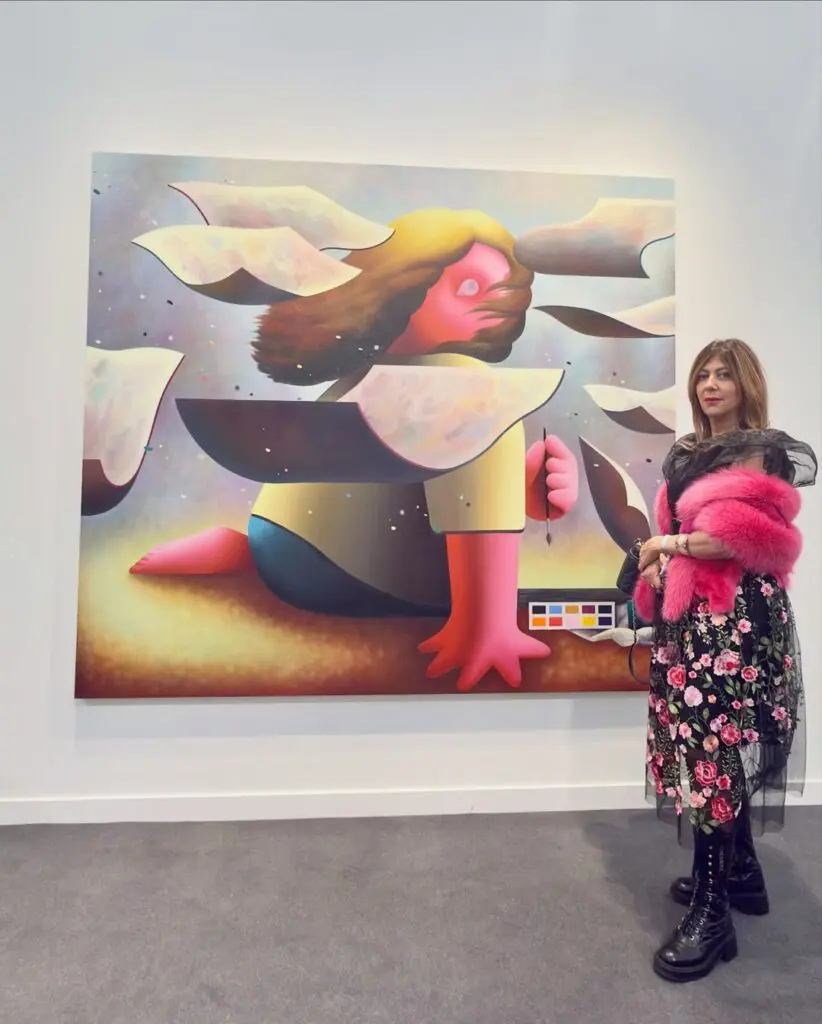
3) Scattered, 2025 Oil on canvas by Eleanor Swordy
LA Art Week has evolved into more than just a season on the art calendar — it’s a cultural phenomenon that reflects Los Angeles’ art diversity, creative resilience, and growing international influence. From global galleries to DIY artist interventions, the city’s art week represents a moment where ideas are on display, and global attention turns toward the vibrant LA art scene.
For galleries like Mash Gallery, and countless artists and curators across the region, LA Art Week offers a platform to be seen, heard, and connected — within one of the most exciting art landscapes in the world.
Stay up to date with our latest news, events, and exhibitions!
We will process the personal data you have supplied to communicate with you in accordance with our Privacy Policy. You can unsubscribe or change your preferences at any time by clicking the link in our emails.
Inquire about the artwork
Please fill out the form and we will check the availability of the artwork for you